Cherie R Kagan Research Group
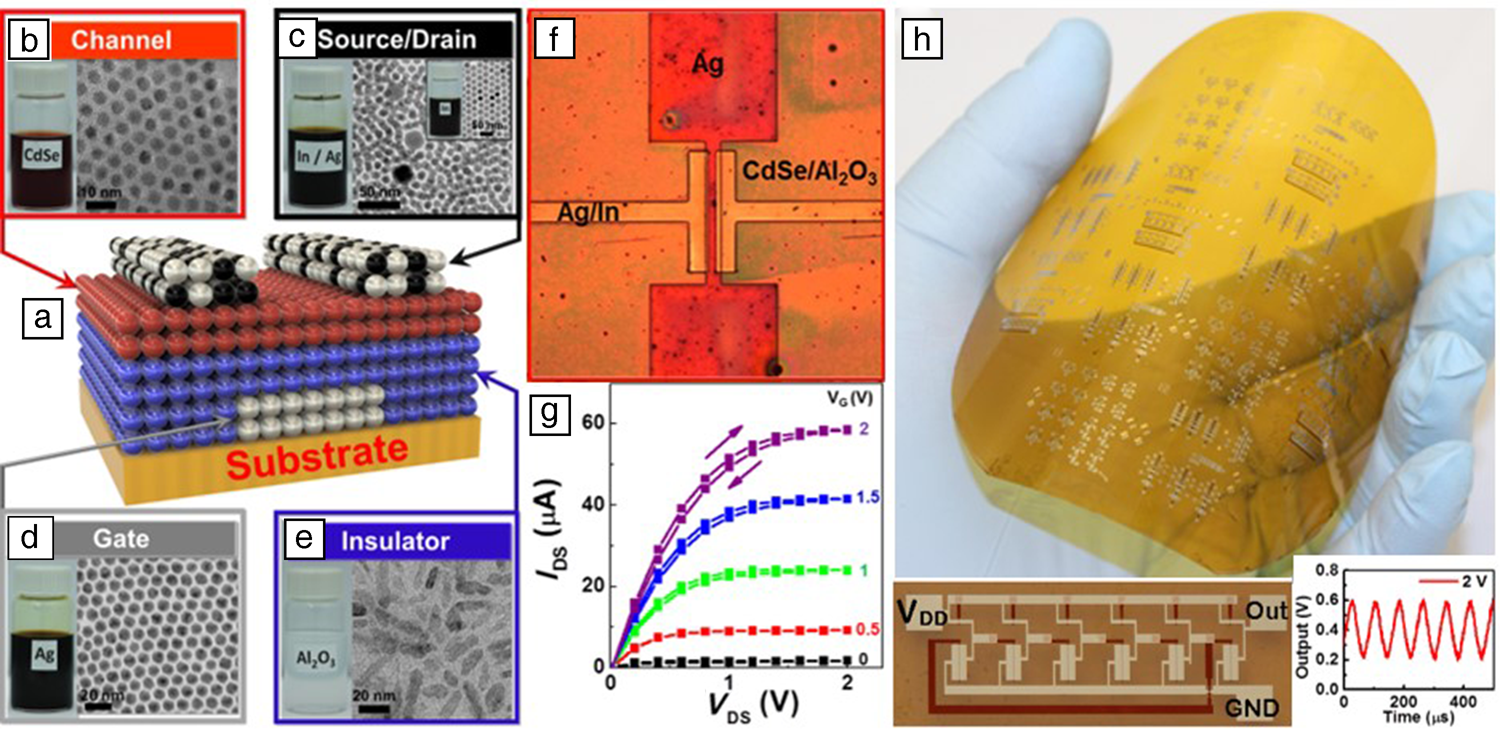
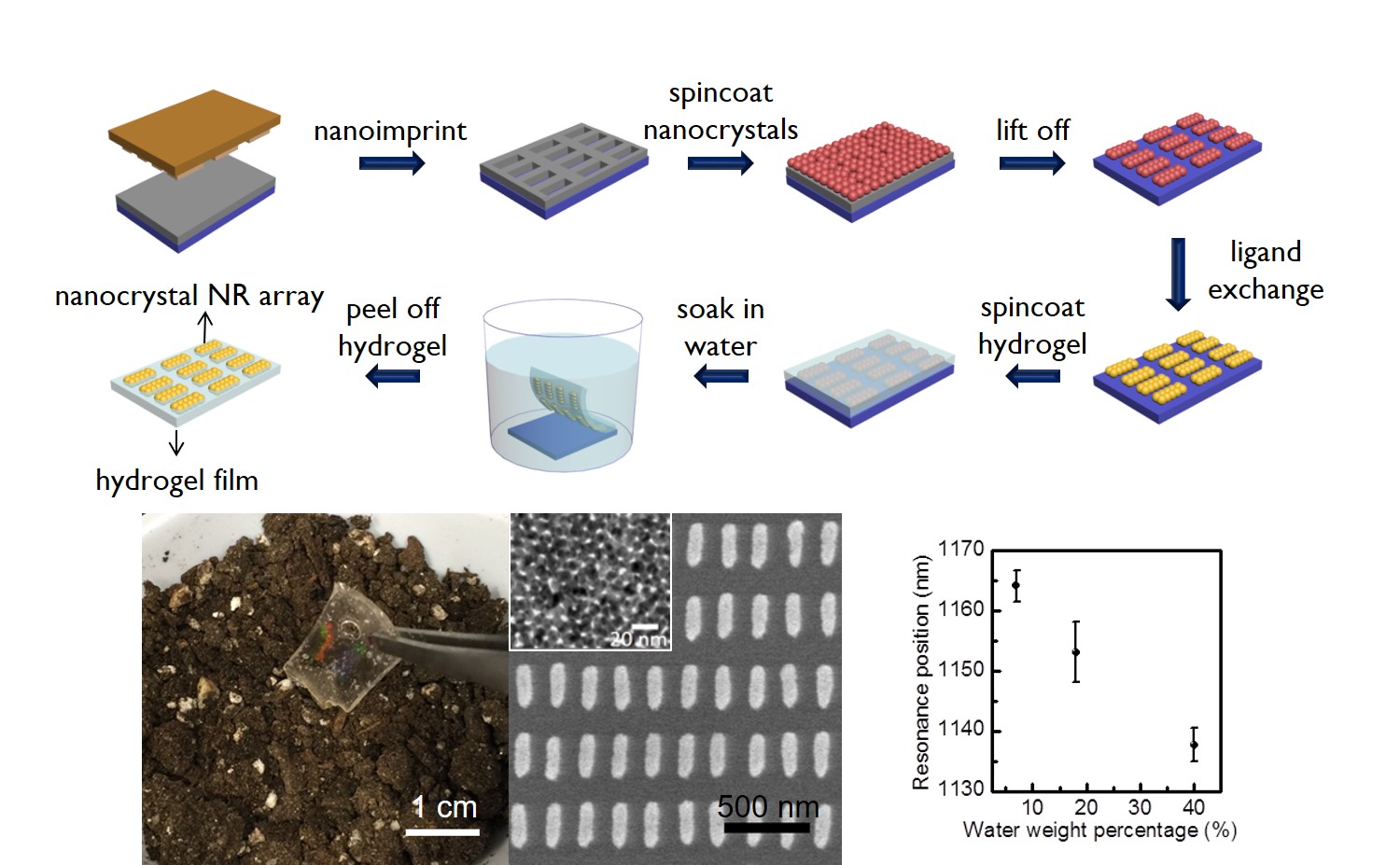
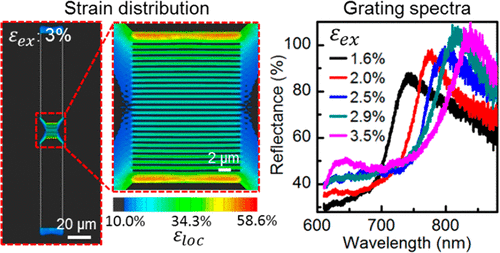
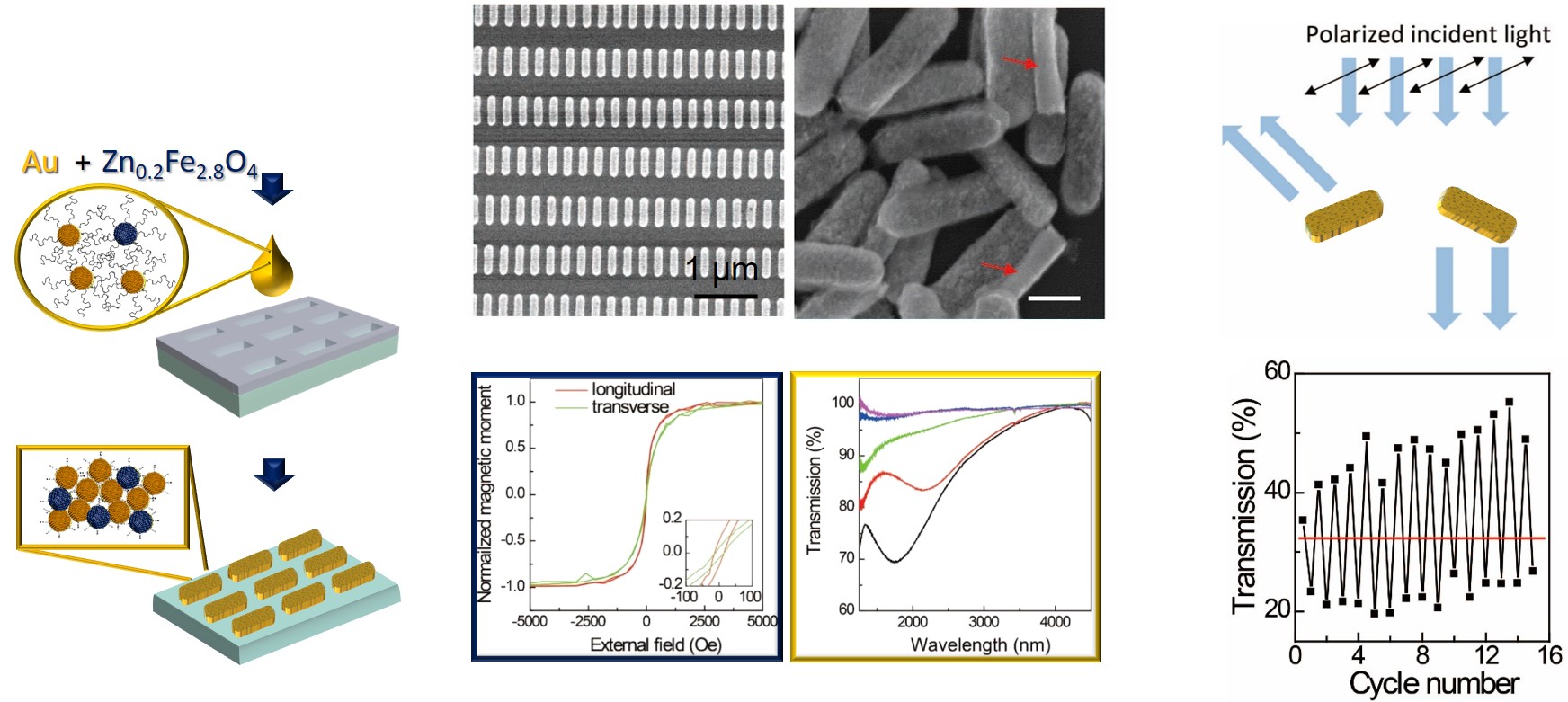
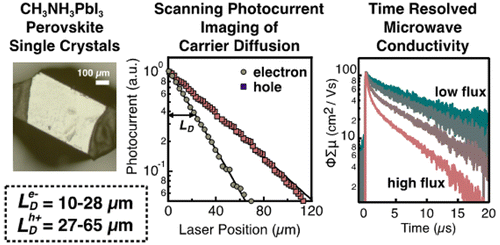
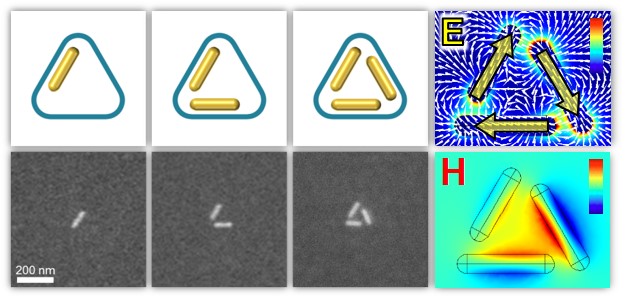
The Kagan group’s research is focused on studying the chemical and physical properties of nanostructured materials and in integrating materials with optical, electrical, magnetic, mechanical, and thermal properties for (multi-)functional devices. We combine the flexibility of chemistry and bottom-up assembly with top-down fabrication techniques to design materials and devices. We explore the properties of materials and measure the characteristics of devices using spatially- and temporally-resolved optical spectroscopies, AC and DC electrical techniques, electrochemistry, scanning probe and electron microscopies, and analytical measurements.





Announcements
- Congratulations, Chavez!
 Congratulations to Chavez on defending his PhD thesis!
 - Congratulations, Shobhita!
 Congratulations to Shobhita on defending her PhD thesis!
 - Congratuations to Cherie on her Induction to the American Academy of Arts and Sciences!
 Since 1780, the American Academy of Arts and Sciences has honored excellence and convened leaders from across disciplines and divides to examine new ideas, address issues of importance, and work together “to advance the interest, honor, dignity, and happiness of a free, independent, and virtuous… Read more: Congratuations to Cherie on her Induction to the American Academy of Arts and Sciences!
 - Meeting Nobel Laureate Moungi Bawendi
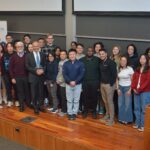 It was an honor to meet and interact with Nobel Laureate Moungi Bawendi during his visit to Penn Engineering for the 2025 Harold Berger Award. Moungi was the PhD advisor to both Cherie Kagan and Chris Murray during their time at MIT.
 - Congratulations, Yun!
 Congratulations to Yun on defending his PhD thesis!
Research Highlights
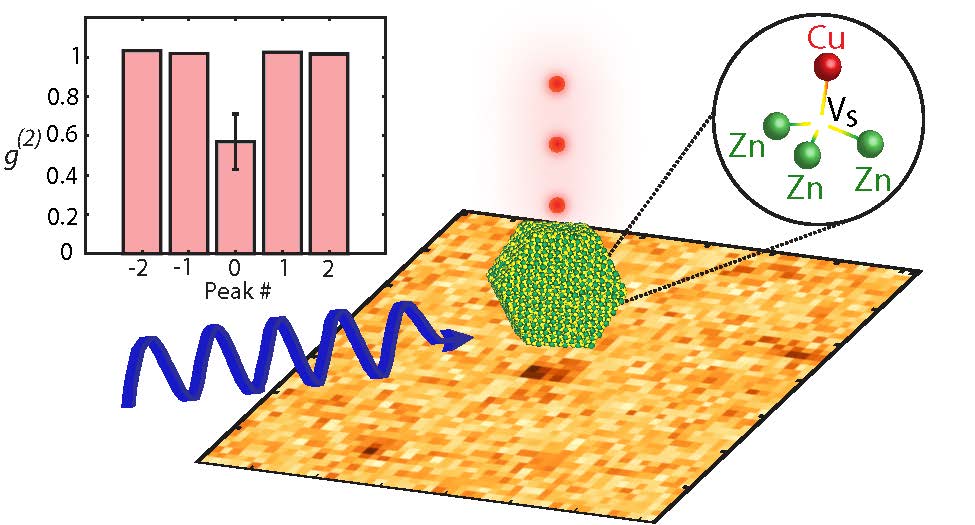
Room-temperature quantum emission from CuZn-VS defects in ZnS:Cu colloidal nanocrystals Journal Article
In: ACS Nano, 2025.
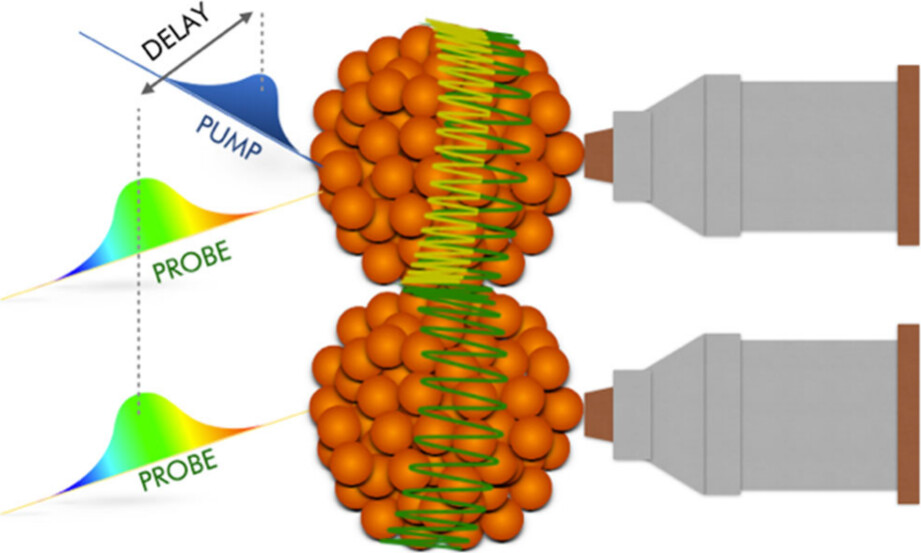
Ultrafast Switching of Whispering Gallery Modes in Quantum Dot Superparticles Journal Article
In: Nano Letters, 2025.
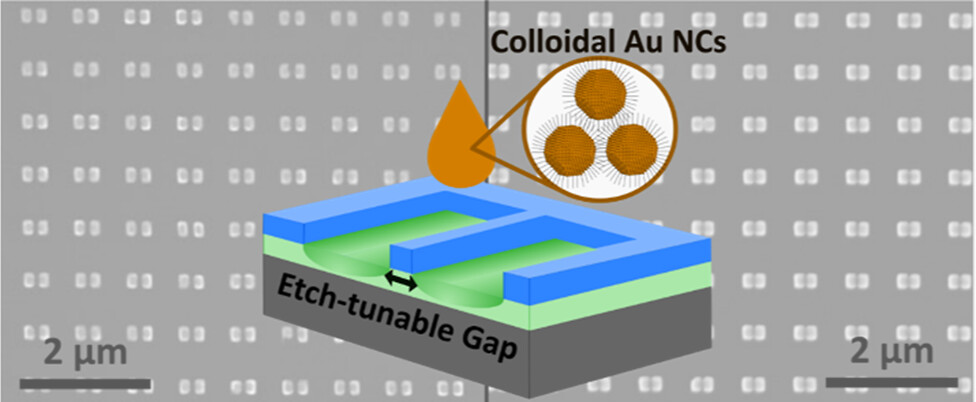
Large-Area, Narrow-Gap Plasmonic Nanodimer Metasurfaces Exploiting Colloidal Nanocrystals: Promising Platforms for Refractive Index Sensing Journal Article
In: ACS Applied Nano Materials, 2025.
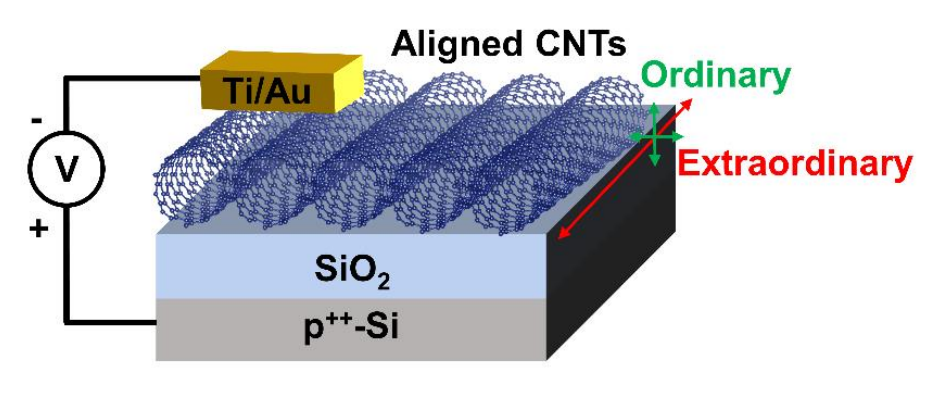
Gate-Tunable Optical Anisotropy in Wafer-Scale, Aligned Carbon Nanotube Films Journal Article
In: Nature Photonics, 2024.
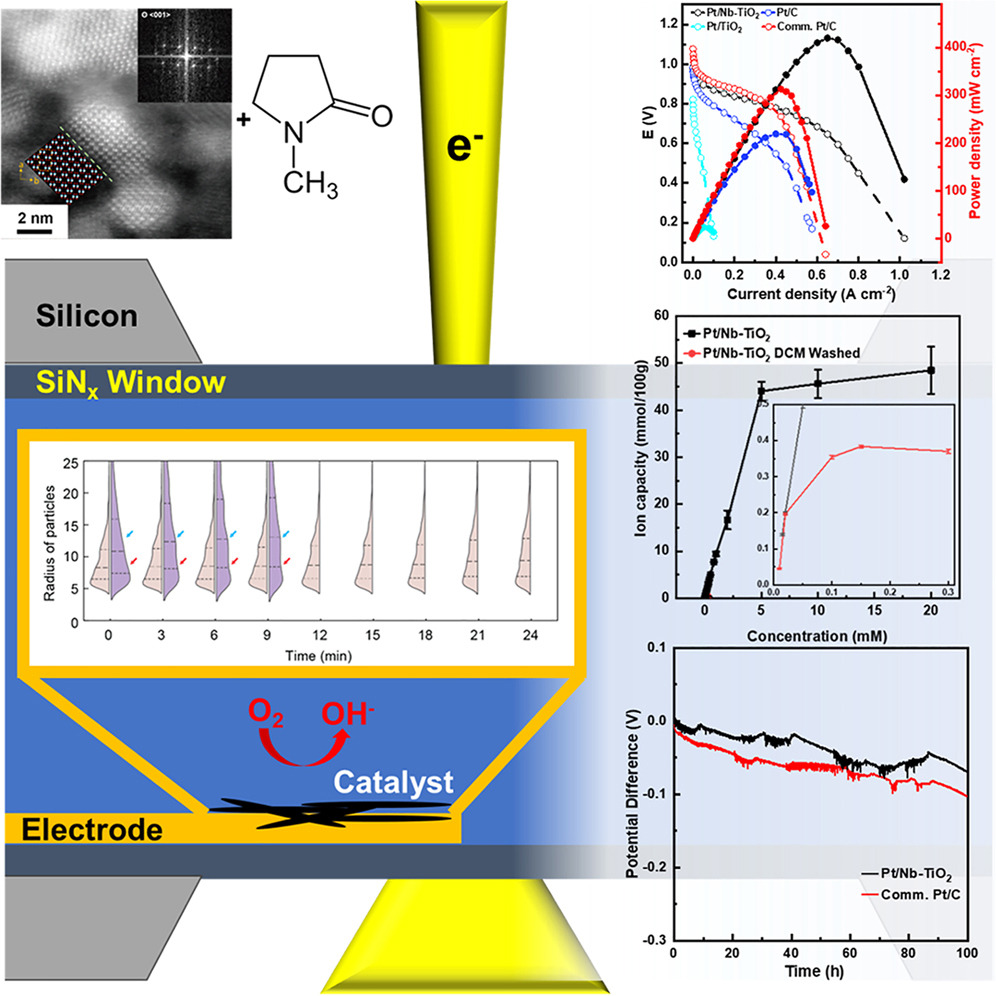
Stabilizing alkaline fuel cells with a niobium-doped brookite titanium dioxide catalyst support Journal Article
In: Cell Reports Physical Science, 2024.